Ground handling covers every service an aircraft and its passengers need between landing and take-off. AviaXpert offers ground handling training in India that builds these skills through structured modules on ramp operations, passenger services, safety and aircraft turnaround.
Each module builds practical skills that airlines, airports and ground handling agencies look for when they hire ground staff. Learners gain a clear view of how check-in, baggage, ramp and turnaround teams work together to keep flights on schedule.
The curriculum follows ICAO safety principles and the standard operating procedures used at Indian airports. Our airport ground handling training courses in India are open to learners from 10+2 to postgraduate level who want a career in aviation ground operations.


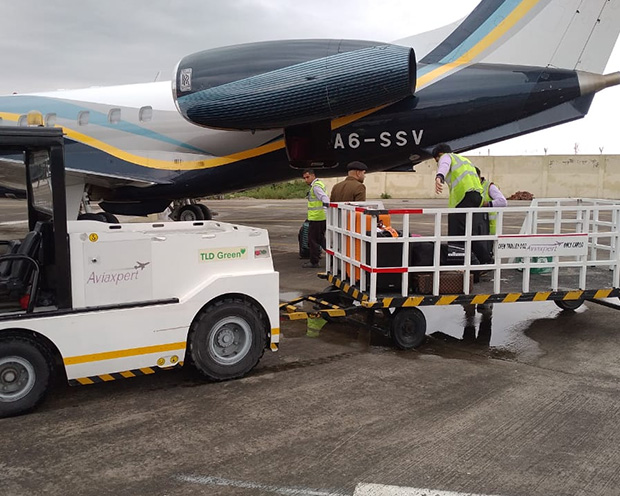
This introductory module provides a comprehensive understanding of airport ground operations and the essential functions that support aircraft movement and passenger services.
Key Learning Areas:
For new entrants, this module is the starting point of the ground handling course. It explains how airlines, airport operators and ground handling agencies divide responsibilities, so trainees understand where each role fits within daily airport operations.
Get Course Details
Understanding airport infrastructure is essential for safe and efficient operations. This module provides in depth knowledge of both landside and airside layouts.
Topics Covered:
Trainees learn to read airport maps, identify restricted zones and move between landside and airside areas with the correct clearances. This awareness is central to airport ground staff training, as every role depends on knowing where each task takes place.


Safety is the backbone of aviation. This training aligns with ICAO safety guidelines and focuses on hazard management, risk reduction, and safe work practices.
Safety Management System (SMS)
Human Factors in Aviation
Many ground incidents trace back to human error, such as a missed check or an unclear instruction. By pairing SMS principles with human factors, the module helps trainees spot risks before they escalate and report them through approved channels.
Airside is a high risk environment requiring strict compliance with safety rules. This module prepares trainees to operate confidently within airside regulations.
Key Components:
Airside safety is an essential part of ground handling training in India, as staff must meet airport safety rules before working near aircraft. Training on marshalling signals, FOD checks and emergency response builds the discipline that ramp roles demand.


This module focuses on providing seamless, customer centric service to passengers at every touchpoint within the airport terminal.
Modules Include:
Strong passenger handling skills set airport ground staff apart in a service-led industry. Trainees work through check-in and boarding scenarios, including support for passengers with reduced mobility, unaccompanied minors and medical cases, to deliver consistent service under pressure.
Enquire Now
This advanced module provides end-to-end understanding of coordination required for efficient aircraft turnaround.
Topics Covered:
Turnaround links every ground function to a fixed departure time. As the advanced stage of our airport ground handling training courses in India, it shows trainees how ramp, cabin, fuel and catering teams coordinate to protect on-time performance.
Lead-in above the enquiry form (new, optional): Ready to start a career in airport operations? Share your details in the enquiry form and our team will guide you on course dates, eligibility and enrolment.
Talk to an Admissions Counsellor